


Investing in Argentine pesos is a constant concern for those who want to protect their savings and make them grow, especially in an economic context marked by inflation and volatility. In this article, we explore various investment alternatives in pesos that can help maintain purchasing power and obtain attractive returns. Javier Milei's government raised a 2025 budget with income and expense guidelines with projections. Tips for Investing in Pesos in Argentina To choose the best investment option in pesos in Argentina, consider the following aspects: • Evaluate your risk tolerance: Market volatility and inflation can affect some investments to a greater extent than others. • Establish deadlines and objectives: Defining the investment period (short, medium or long term) and the objective (savings, growth or preservation of value) is essential to make appropriate decisions. • Consult a financial advisor at the bank where you have an account: Given the local economic context, consulting with experts can offer a clearer vision and help customize the investment strategy. Notes for non-professional investors Investing in pesos in Argentina can be an effective way to protect capital against inflation and devaluation. The key is to explore alternatives such as UVA fixed terms, CER bonds and mutual funds that offer coverage against inflation. Analyzing the context and personal objectives will help choose the most appropriate and safe option for each investor. Are you ready to protect your capital in the current economic context? Given the annual inflation and exchange rate fluctuations, investing in pesos becomes a key tool to protect the value of savings. Although the dollar is a popular option to preserve the value of money, there are alternatives in pesos that offer benefits and opportunities for those who wish to avoid exchanging for foreign currency. 1. Fixed Terms: A traditional and safe alternative (more information here) • Traditional Fixed Term: This type of investment allows you to secure a fixed interest rate throughout the agreed period (usually 30 days or more). Currently, banks offer competitive interest rates that seek to beat monthly inflation. • UVA Fixed Term: This is a type of fixed term adjustable by inflation, where the invested capital is adjusted according to the variation of the price index (UVA). Investment in UVA is ideal for those who want direct protection against inflation, since the yield is linked to inflationary variations. 2. Peso Bonds: long-term coverage • CER Bonds: Bonds adjusted by CER (Reference Stabilization Coefficient) are also linked to inflation, which allows the value of the capital to be maintained in an inflationary context. These bonds are issued by both the State and private companies, and usually offer returns that exceed inflation. • Badlar Bonds: This type of bond adjusts its rate based on the Badlar rate (average interest for fixed terms of more than one million pesos in private banks), which usually offers a higher return than common fixed terms and allows you to take advantage of variable rates. 3. Mutual Funds Mutual funds are a flexible option that allows you to diversify your capital in different assets. In Argentina, there are several types of FCI in pesos: • Fixed-income funds: Composed mainly of bonds and fixed terms, they usually have a moderate risk. • Variable-income funds: They include shares and other instruments with greater volatility, which allows for greater potential gains in the medium and long term. • CER and UVA funds: These funds are composed of assets that are adjusted based on inflation, which makes them attractive for those seeking protection against the loss of purchasing power. 4. Investing in the Real Estate Sector with Pesos In recent years, the real estate sector has presented options for those who wish to invest in pesos without having to resort to the dollar. Some alternatives are: • Trusts in pesos: These funds allow you to participate in real estate projects and usually require a lower initial investment compared to the direct purchase of properties. • Real estate crowdfunding: Although still in its infancy in the country, this option allows for the acquisition of a small portion of real estate projects with affordable amounts, which democratizes access to real estate investment. 5. Cedears in Pesos: Investing in International Shares Argentine Certificates of Deposit (Cedears) are instruments that represent shares of foreign companies and can be acquired in pesos. Although these instruments are exposed to the dollar exchange rate and international movements, they allow for diversification Investments with companies such as Apple, Google or Tesla from the Buenos Aires Stock Exchange.
Los depósitos de manteros en el barrio porteño de Once fueron allanados por más de 500 efectivos de la Policía de la Ciudad, se realizaron casi 200 pesquisas en la zona y el jefe de Gobierno porteño dijo que "se terminó la joda".
Conforme a lo informado por fuentes policiales de la Ciudad, este viernes por la mañana comenzó un amplio operativo “dentro del polígono conformado por las calles Pueyrredón, Rivadavia, Corrientes y Pasteur”.
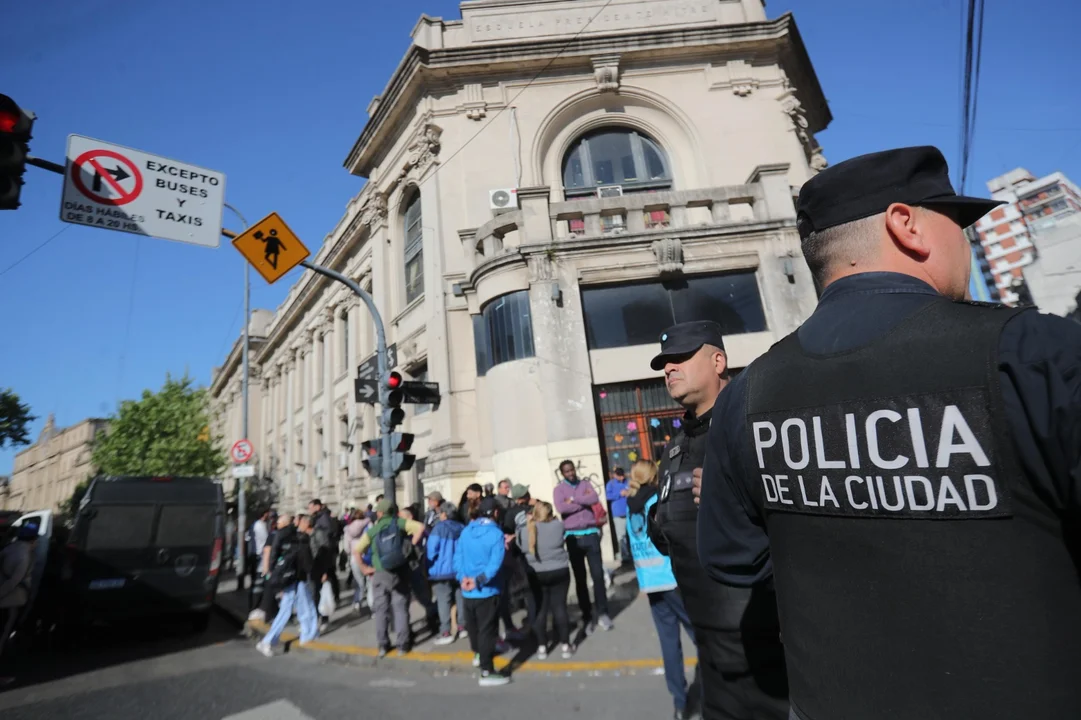 Las 197 pesquisas se llevaron a cabo tras una ardua investigación por parte del Ministerio de Seguridad porteño que duró más de cinco meses.
En el acto procesal “participaron más de 500 efectivos entre los allanamientos y el operativo de prevención de la venta ilegal en la zona”.
Interviene la Fiscalía Flagrancias Este a cargo del Dr. Tropea, Auxiliar Fiscal Dr. Almeida, Juzgado Penal, Contravencional y de Faltas N°26 a cargo del Dr. Repetto.
Aunque resta hacer el conteo final de la mercadería secuestrada en los diferentes allanamientos, a comienzos de la mañana fueron contabilizados casi 200 bultos de mercadería apócrifa.
“En Once se terminó la joda. Le acabamos de dar un golpe durísimo a la mafia que inundaba de suciedad y trabajo esclavo las calles de Once. Recuperar la libertad también es esto: hacer cumplir la ley. ¡Felicitaciones a los 600 Policías de la Ciudad que pusieron el pecho!", aseguró el jefe de Gobierno Jorge Macri.
“Hicimos allanamientos en 23 parcelas y secuestramos elementos”, explicó Waldo Wolff, ministro de Seguridad porteño.
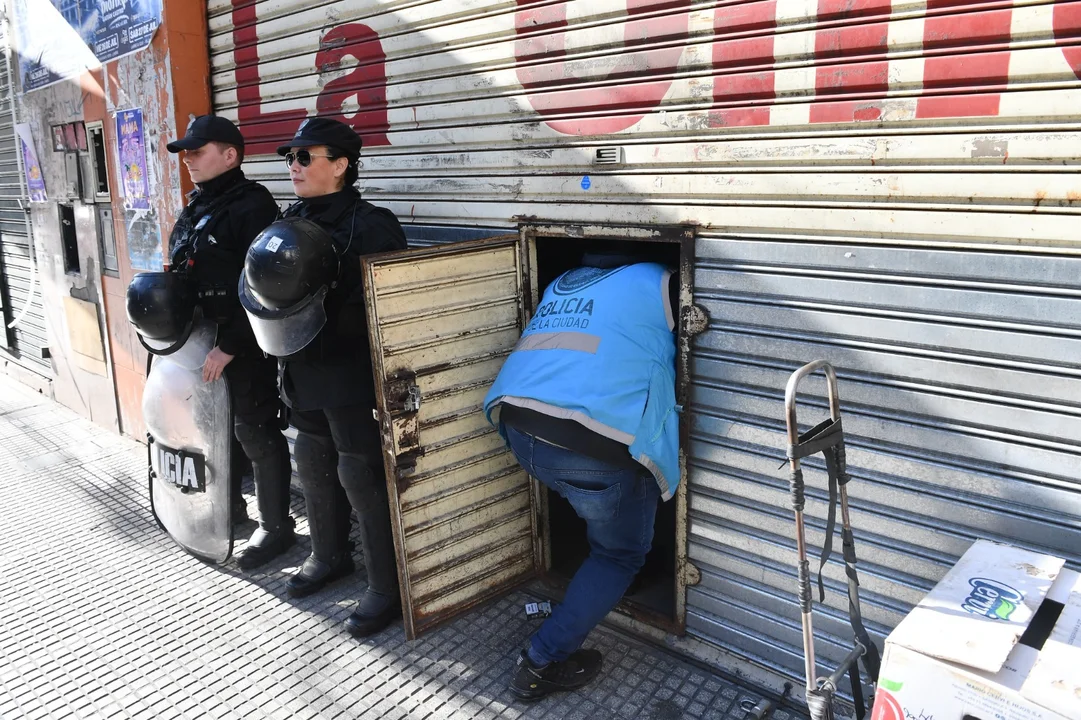
Junto a Diego Kravetz, el funcionario destacó que se logró “restablecer el orden público” y ”prevenir la venta ilegal de mercadería".
“Ya lo hicimos en otros barrios, ahora tocó en Once”, expresó Wolff en conferencia de prensa desde el operativo.
La esquizofrenia del discurso.
Liberalismo y ajuste son claramente antónimos. Es decir, lo exactamente opuesto, por definición.
La gente es libre de perseguir sus sueños, sin ser coaccionada, por un estado que condiciona su progreso, con un cruel ajuste.
El aumento de la pobreza y la indigencia es producto de políticas de ajuste, cómo vetar una ley que mejora el paupérrimo ingreso de los jubilados.
Evidentemente estamos en presencia de un discurso esquizofrénico, muy alejado de la realidad.
Resultado de Votación: NEGATIVO Presidente: MENEM, MARTIN
Votando Sin votar Total Diputados Presidente Desempate Total
Presentes 248 0
248
Ausentes
9
Afirmativos
153
0
0
153
Negativos
87
0
0
87
Abstenciones 8 0 8
No nos olvidemos de los diputados que votaron negativo, las abstenciones, y los ausentes, para que no prosperara la ley para beneficio de los jubilados, y se aceptara el veto de Javier Milei.
Apellido y Nombre
Bloque político
Distrito
AJMECHET, SABRINA
Pro
C.A.B.A.
NEGATIVO
ALMIRON, LISANDRO
La Libertad Avanza
Corrientes
NEGATIVO
ANSALONI, PABLO
La Libertad Avanza
Buenos Aires
NEGATIVO
ARABIA, DAMIAN
Pro
C.A.B.A.
NEGATIVO
ARANCIBIA RODRIGUEZ, ALBERTO
GUSTAVO
La Libertad Avanza
San Luis
NEGATIVO
ARAUJO, MARIA FERNANDA
La Libertad Avanza
C.A.B.A.
NEGATIVO
ARDOHAIN, MARTIN
Pro
La Pampa
NEGATIVO
ARJOL, MARTIN
Ucr - Union Civica Radical
Misiones
NEGATIVO
AVICO, BELEN
Pro
Córdoba
NEGATIVO
BACHEY, KARINA ETHEL
Pro
San Luis
NEGATIVO
BALLEJOS, NANCY MARIANA
Pro
Entre Ríos
NEGATIVO
BENEDIT, BELTRAN
La Libertad Avanza
Entre Ríos
NEGATIVO
BENEGAS LYNCH, BERTIE
La Libertad Avanza
Buenos Aires
NEGATIVO
BESANA, GABRIELA
Pro
Buenos Aires
NEGATIVO
BIANCHETTI, EMMANUEL
Pro
Misiones
NEGATIVO
BONACCI, ROCIO
La Libertad Avanza
Santa Fe
NEGATIVO
BONGIOVANNI, ALEJANDRO
Pro
Santa Fe
NEGATIVO
BORNORONI, GABRIEL
La Libertad Avanza
Córdoba
NEGATIVO
BRAMBILLA, SOFIA
Pro
Corrientes
NEGATIVO
CAMPERO, MARIANO
Ucr - Union Civica Radical
Tucumán
NEGATIVO
CAPOZZI, SERGIO EDUARDO
Pro
Rio Negro
NEGATIVO
CERVI, PABLO
Ucr - Union Civica Radical
Neuquén
NEGATIVO
CHUMPITAZ, GABRIEL FELIPE
Pro
Santa Fe
NEGATIVO
CORREA LLANO, FACUNDO
La Libertad Avanza
Mendoza
NEGATIVO
D'ALESSANDRO, CARLOS
La Libertad Avanza
San Luis
NEGATIVO
DE SENSI, MARIA FLORENCIA
Pro
Buenos Aires
NEGATIVO
DIEZ, ROMINA
La Libertad Avanza
Santa Fe
NEGATIVO
EMMA, NICOLAS
La Libertad Avanza
C.A.B.A.
NEGATIVO
ESPERT, JOSE LUIS
La Libertad Avanza
Buenos Aires
NEGATIVO
FALCONE, EDUARDO
Mid - Movimiento De Integracion Y
Desarrollo
Buenos Aires
NEGATIVO
FERNANDEZ, AGUSTIN
Independencia
Tucumán
NEGATIVO
FERNANDEZ, ELIA MARINA
Independencia
Tucumán
NEGATIVO
Resultado de Votación: NEGATIVO Presidente: MENEM, MARTIN
Apellido y Nombre
Bloque político
Distrito
FERNANDEZ MOLERO, DAIANA
Pro
C.A.B.A.
NEGATIVO
FERREYRA, ALIDA
La Libertad Avanza
C.A.B.A.
NEGATIVO
FIGUEROA CASAS, GERMANA
Pro
Santa Fe
NEGATIVO
FINOCCHIARO, ALEJANDRO
Pro
Buenos Aires
NEGATIVO
GARCIA, CARLOS
La Libertad Avanza
Chaco
NEGATIVO
GIUDICI, SILVANA
Pro
C.A.B.A.
NEGATIVO
GONZALEZ, GERARDO GUSTAVO
La Libertad Avanza
Formosa
NEGATIVO
HUESEN, GERARDO
La Libertad Avanza
Tucumán
NEGATIVO
IBAÑEZ, MARIA CECILIA
Mid - Movimiento De Integracion Y
Desarrollo
Córdoba
NEGATIVO
IGLESIAS, FERNANDO ADOLFO
Pro
C.A.B.A.
NEGATIVO
KLIPAUKA LEWTAK, FLORENCIA
La Libertad Avanza
Misiones
NEGATIVO
LASPINA, LUCIANO ANDRES
Pro
Santa Fe
NEGATIVO
LEMOINE, LILIA
La Libertad Avanza
Buenos Aires
NEGATIVO
LLANO, MERCEDES
La Libertad Avanza
Mendoza
NEGATIVO
LOMBARDI, HERNAN
Pro
Buenos Aires
NEGATIVO
LOSPENNATO, SILVIA
Pro
Buenos Aires
NEGATIVO
MACYSZYN, LORENA
Buenos Aires Libre
Buenos Aires
NEGATIVO
MAQUIEYRA, MARTIN
Pro
La Pampa
NEGATIVO
MARQUEZ, NADIA
La Libertad Avanza
Neuquén
NEGATIVO
MARTINEZ, ALVARO
La Libertad Avanza
Mendoza
NEGATIVO
MAYORAZ, NICOLAS
La Libertad Avanza
Santa Fe
NEGATIVO
MEDINA, GLADYS
Independencia
Tucumán
NEGATIVO
MENEM, MARTIN
La Libertad Avanza
La Rioja
NEGATIVO
MILMAN, GERARDO
Pro
Buenos Aires
NEGATIVO
MONTENEGRO, GUILLERMO
La Libertad Avanza
Buenos Aires
NEGATIVO
MORENO, MARIA DE LOS ANGELES
Produccion Y Trabajo
San Juan
NEGATIVO
MORENO OVALLE, JULIO
La Libertad Avanza
Salta
NEGATIVO
NUÑEZ, JOSE
Pro
Santa Fe
NEGATIVO
OMODEO, PAULA
Creo
Tucumán
NEGATIVO
OROZCO, EMILIA
La Libertad Avanza
Salta
NEGATIVO
PAGANO, MARCELA MARINA
La Libertad Avanza
Buenos Aires
NEGATIVO
PAULI, SANTIAGO
La Libertad Avanza
Tierra del Fuego
NEGATIVO
Resultado de Votación: NEGATIVO Presidente: MENEM, MARTIN
Apellido y Nombre
Bloque político
Distrito
PELUC, JOSE
La Libertad Avanza
San Juan
NEGATIVO
PICAT, LUIS ALBINO
Ucr - Union Civica Radical
Córdoba
NEGATIVO
PICON MARTINEZ, NANCY VIVIANA
Produccion Y Trabajo
San Juan
NEGATIVO
PIPARO, CAROLINA
Buenos Aires Libre
Buenos Aires
NEGATIVO
PONCE, MARIA CELESTE
La Libertad Avanza
Córdoba
NEGATIVO
QUINTAR, MANUEL
La Libertad Avanza
Jujuy
NEGATIVO
QUIROZ, MARILU
Pro
Chaco
NEGATIVO
RAZZINI, VERONICA
Pro
Santa Fe
NEGATIVO
RITONDO, CRISTIAN A.
Pro
Buenos Aires
NEGATIVO
RODRIGUEZ MACHADO, LAURA
Pro
Córdoba
NEGATIVO
SANTILLAN JUAREZ BRAHIM, JULIANA
La Libertad Avanza
Buenos Aires
NEGATIVO
SANTILLI, DIEGO
Pro
Buenos Aires
NEGATIVO
SANTURIO, SANTIAGO
La Libertad Avanza
Buenos Aires
NEGATIVO
SOTOLANO, MARIA
Pro
Buenos Aires
NEGATIVO
TORTORIELLO, ANIBAL
Pro
Rio Negro
NEGATIVO
TOURNIER, JOSE FEDERICO
Ucr - Union Civica Radical
Corrientes
NEGATIVO
TREFFINGER, CESAR
La Libertad Avanza
Chubut
NEGATIVO
VASQUEZ, PATRICIA
Pro
Buenos Aires
NEGATIVO
VIDAL, MARIA EUGENIA
Pro
C.A.B.A.
NEGATIVO
VILLAVERDE, LORENA
La Libertad Avanza
Rio Negro
NEGATIVO
YEZA, MARTIN
Pro
Buenos Aires
NEGATIVO
ZAGO, OSCAR
Mid - Movimiento De Integracion Y
Desarrollo
C.A.B.A.
NEGATIVO
ZAPATA, CARLOS RAUL
La Libertad Avanza
Salta
NEGATIVO
Resultado de Votación: NEGATIVO Presidente: MENEM, MARTIN
Apellido y Nombre
Bloque político
Distrito
ARRIETA, LOURDES MICAELA
Fuerzas Del Cielo - Espacio Liberal F.c.e
Mendoza
ABSTENCION
ARRUA, ALBERTO
Innovacion Federal
Misiones
ABSTENCION
DOMINGO, AGUSTIN
Innovacion Federal
Rio Negro
ABSTENCION
FERNANDEZ, CARLOS ALBERTO
Innovacion Federal
Misiones
ABSTENCION
OUTES, PABLO
Innovacion Federal
Salta
ABSTENCION
RUIZ, YAMILA
Innovacion Federal
Misiones
ABSTENCION
VANCSIK, DANIEL
Innovacion Federal
Misiones
ABSTENCION
VEGA, YOLANDA
Innovacion Federal
Salta
ABSTENCION
Resultado de Votación: NEGATIVO Presidente: MENEM, MARTIN
Apellido y Nombre
Bloque político
Distrito
AUBONE, ANA FABIOLA
Union Por La Patria
San Juan
AUSENTE
BALDASSI, HECTOR W.
Pro
Córdoba
AUSENTE
CALLETTI, PAMELA
Innovacion Federal
Salta
AUSENTE
CIPOLINI, GERARDO
Ucr - Union Civica Radical
Chaco
AUSENTE
LOPEZ MURPHY, RICARDO HIPOLITO
Encuentro Federal
C.A.B.A.
AUSENTE
MORCHIO, FRANCISCO
Encuentro Federal
Entre Ríos
AUSENTE
REYES, ROXANA
Ucr - Union Civica Radical
Santa Cruz
AUSENTE
ROMERO, ANA CLARA
Pro
Chubut
AUSENTE
STEFANI, HECTOR ANTONIO
Pro
Tierra del Fuego
AUSENTE
Resultado de Votación: NEGATIVO Presidente: MENEM, MARTIN
Observaciones
LA DIPUTADA CALLETTI, PAMELA FIGURA DESLOGUEADA EN SISTEMA ANTES DE FINALIZAR EL TIEMPO DE VOTACION.
Document generated in 0.01 second